 Tilda
Tilda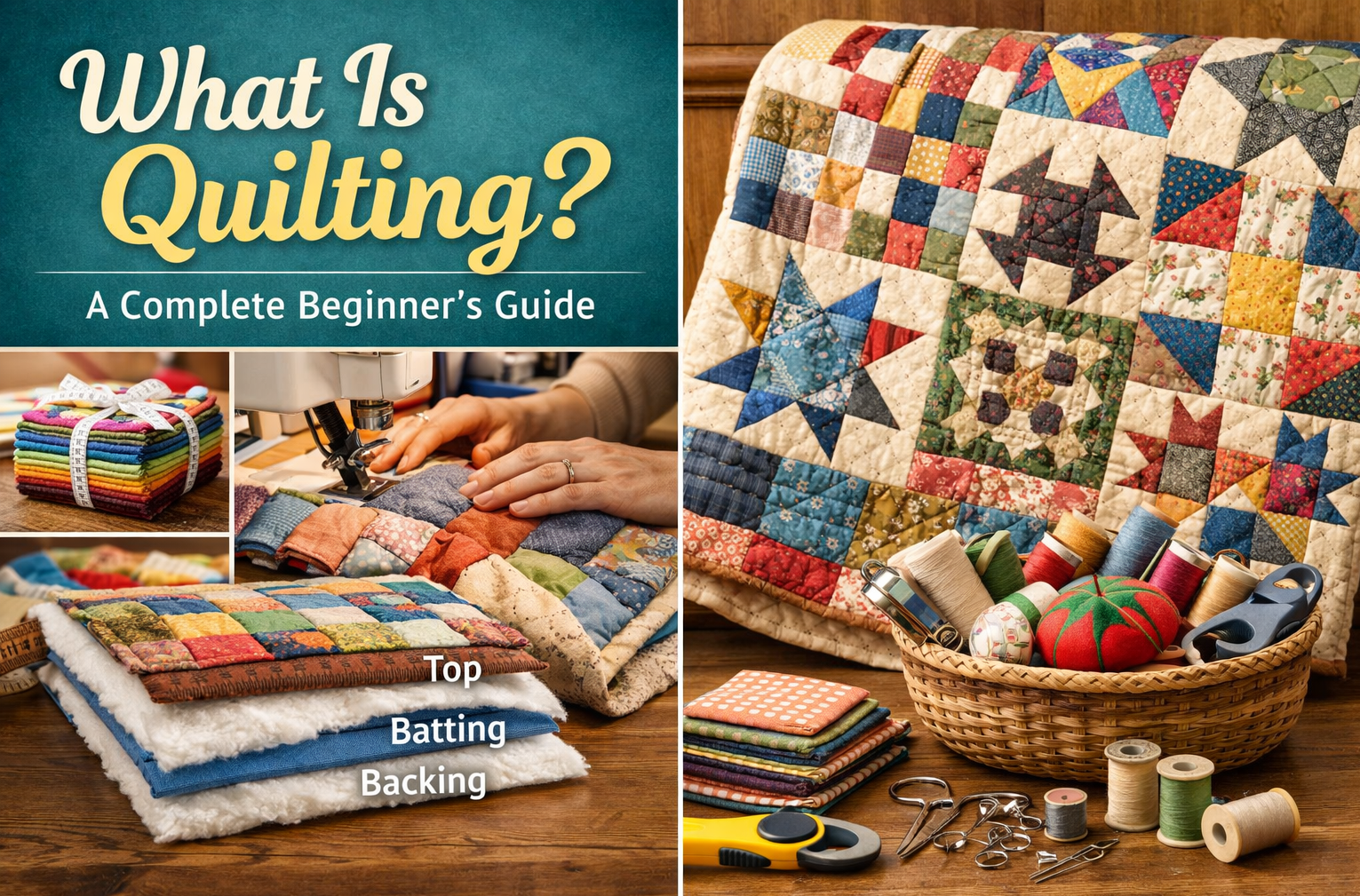
Quilting is a traditional textile craft that combines creativity, practicality, and storytelling. If you’re new to quilting, this guide will walk you through everything you need to know — in clear, simple terms — so you can confidently take your first steps into the world of quilts.
What Is Quilting?
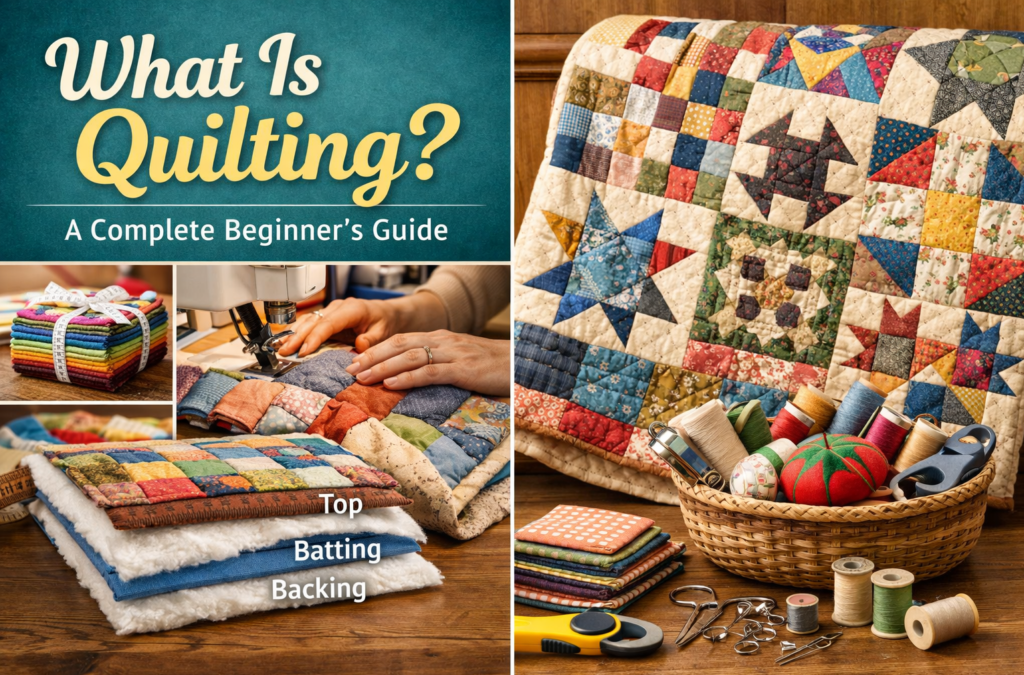
Quilting is the process of sewing together three layers of fabric:
- Quilt Top – the decorative upper layer, often made from patchwork pieces
- Batting – the middle layer that provides warmth and thickness
- Backing Fabric – the bottom layer that holds everything together
These layers are stitched together using hand or machine techniques to create a finished quilt. The stitching itself — called quilting — is what gives quilts their texture and durability.
Quilting vs Patchwork: What’s the Difference?
Many beginners confuse quilting and patchwork, but they are not the same:
- Patchwork refers to sewing smaller pieces of fabric together to create a quilt top design.
- Quilting is the act of stitching the quilt top, batting, and backing together.
In short: patchwork creates the design; quilting finishes the quilt.
A Brief History of Quilting
Quilting dates back hundreds of years and has been practiced across many cultures. In the United States, quilting became especially popular during the 18th and 19th centuries, when quilts were used not only for warmth but also as family heirlooms.
Over time, quilting evolved into both a functional craft and a form of artistic expression.
Types of Quilts
There are several common types of quilts beginners should know:
- Patchwork Quilts – made from fabric blocks sewn together
- Whole Cloth Quilts – made from a single piece of fabric
- Appliqué Quilts – feature shapes sewn onto a background fabric
- Scrap Quilts – created using leftover fabric pieces
Each type offers different creative possibilities and skill levels.
Basic Quilting Methods
Hand Quilting
- Traditional and relaxing
- Requires minimal equipment
- Takes more time
Machine Quilting
- Faster and more precise
- Ideal for beginners
- Works well for large quilts
Both methods are valid — your choice depends on your goals and preferences.
Essential Quilting Supplies for Beginners
To get started, you only need a few basic tools:
- Cotton fabric
- Batting
- Thread
- Sewing needles or sewing machine
- Rotary cutter or fabric scissors
- Cutting mat and ruler
- Pins or fabric clips
You don’t need expensive tools to begin — simple supplies work perfectly.
Is Quilting Hard for Beginners?
Quilting may look complex, but it’s very beginner-friendly when broken into steps. Many quilts are made using simple blocks and straight seams.
The key is to start small, practice patience, and enjoy the process.
Why Quilting Is So Popular Today
Quilting has seen a resurgence in popularity because it:
- Encourages creativity
- Reduces stress
- Produces meaningful handmade items
- Allows for sustainable fabric use
Modern quilters mix traditional techniques with fresh designs, making quilting accessible to all ages.
What to Do Next
If you’re ready to continue your quilting journey, your next steps should be:
- Learn basic quilting terms
- Choose an easy quilt pattern
- Start with a small project
Quilting is a skill that grows with practice — and every quilt tells a story.
Final Thoughts
Quilting is more than sewing fabric together. It’s a craft rooted in history, creativity, and personal expression. Whether you want to make a simple quilt or explore complex designs, quilting offers endless possibilities.
Your first quilt doesn’t need to be perfect — it just needs to be yours.