 Tilda
Tilda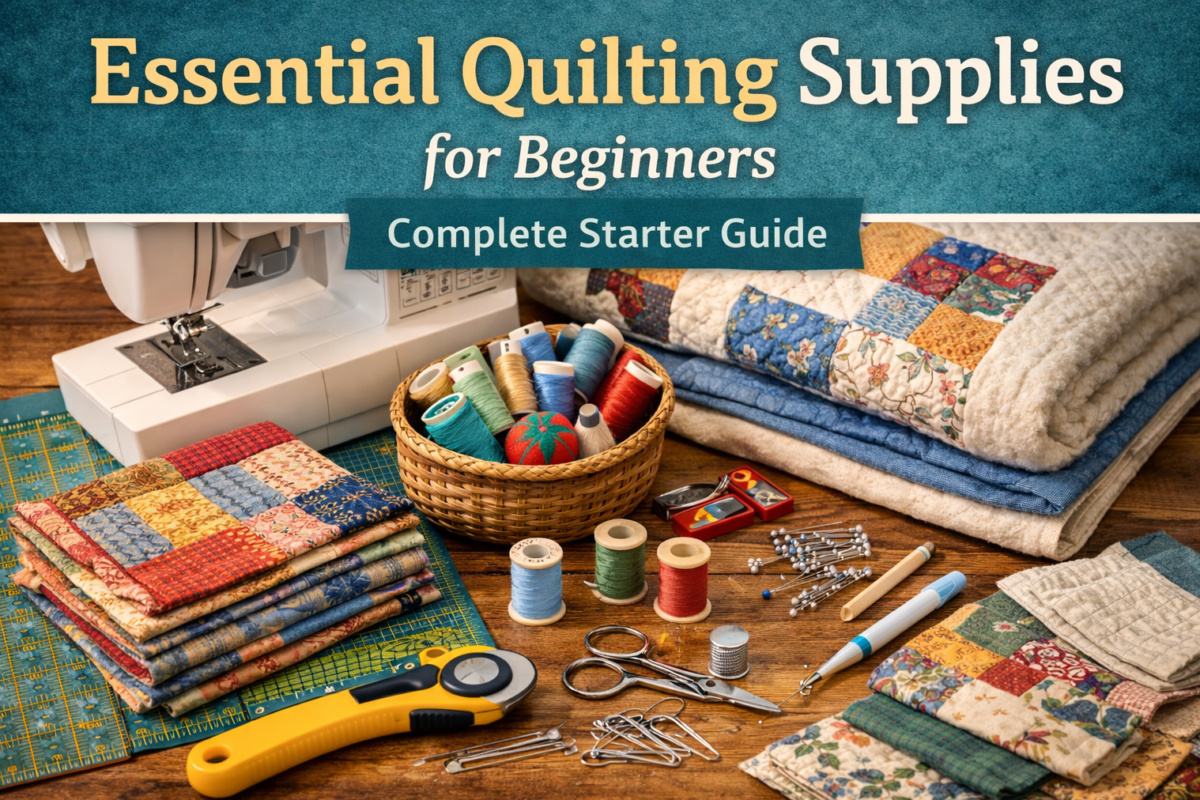
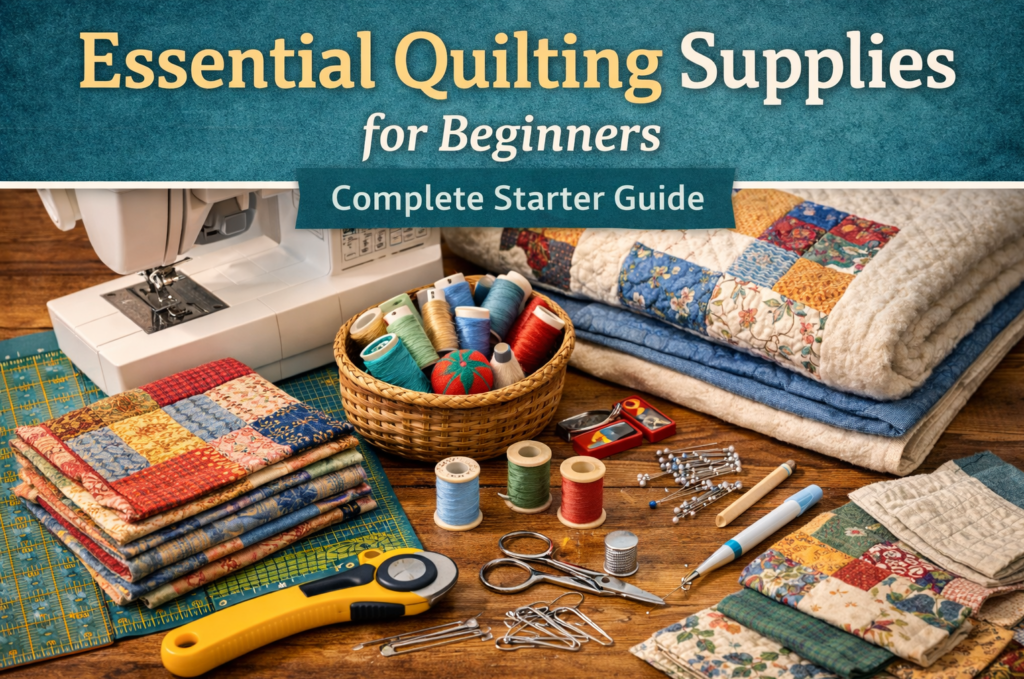
Starting your quilting journey can feel overwhelming at first. With so many tools, fabrics, and accessories available, beginners often wonder what they really need and what can wait. The good news is that quilting does not require a huge investment right away. With the right essential supplies, you can begin quilting confidently and enjoy the process from the very first project.
This guide breaks down the essential quilting supplies for beginners, explaining what each item is used for, why it matters, and how to choose beginner-friendly options.
1. Fabric: The Foundation of Every Quilt
Fabric is the heart of quilting. As a beginner, choosing the right type of fabric will make learning much easier.
Best Fabric for Beginners
- 100% cotton quilting fabric is the best choice
- Easy to cut, press, and sew
- Holds its shape well and is forgiving of small mistakes
Avoid stretchy fabrics, silk, or very thick materials when starting out. These can make piecing difficult and frustrating.
How Much Fabric Do You Need?
For small beginner projects like table runners, placemats, or baby quilts, fat quarters or pre-cut fabric bundles are ideal. They save time and reduce measuring errors.
2. Cutting Tools: Accuracy Starts Here
Precise cutting is one of the most important skills in quilting. Using proper tools will dramatically improve your results.
Essential Cutting Tools
- Rotary cutter (45mm) – faster and more accurate than scissors
- Self-healing cutting mat – protects your surface and keeps cuts clean
- Clear acrylic ruler – helps measure and cut straight lines
These three tools work together and are considered non-negotiable for quilting beginners.
3. Sewing Machine (or Hand Sewing Basics)
You do not need an expensive sewing machine to quilt.
What to Look for in a Beginner Machine
- Straight stitch option
- Adjustable stitch length
- Reliable tension control
If you prefer hand quilting, you will need:
- Sharp hand-sewing needles
- Strong cotton or polyester thread
- A thimble for comfort and control
Both machine quilting and hand quilting are valid — choose what feels comfortable for you.
4. Thread: Small Detail, Big Impact
Thread quality matters more than many beginners realize.
Beginner-Friendly Thread Tips
- Use all-purpose cotton or cotton-poly thread
- Neutral colors (white, gray, beige) work for most projects
- Avoid very cheap thread — it breaks easily and causes tension issues
Good thread makes sewing smoother and reduces frustration.
5. Pins and Clips: Holding Everything in Place
Keeping fabric pieces aligned is essential for clean seams.
Best Options for Beginners
- Glass-head pins (safe for ironing)
- Wonder clips or fabric clips (great for thick layers)
Using pins correctly helps prevent shifting and uneven seams.
6. Iron and Pressing Supplies
Pressing is not optional in quilting — it is part of the process.
What You Need
- A reliable iron with steam
- Ironing board or pressing mat
Pressing seams as you sew improves accuracy and gives your quilt a professional look, even as a beginner.
7. Batting: The Middle Layer
Batting is the soft layer between the quilt top and backing.
Best Batting for Beginners
- Cotton or cotton-blend batting
- Low to medium loft (not too thick)
It is easier to quilt and behaves predictably under the sewing machine.
8. Quilt Backing Fabric
Backing fabric is usually a single piece or larger cuts of fabric.
Beginner Tips
- Choose simple prints or solid colors
- Use cotton fabric
- Make sure it is slightly larger than your quilt top
This extra margin helps during quilting and trimming.
9. Measuring and Marking Tools
Accurate measuring and marking prevent mistakes.
Helpful Tools
- Fabric chalk or washable fabric markers
- Measuring tape
- Seam guide (optional but helpful)
Always test markers on scrap fabric first.
10. Optional but Helpful Quilting Supplies
As you gain confidence, these tools can make quilting more enjoyable:
- Seam ripper (everyone needs one!)
- Walking foot for quilting layers
- Quilting gloves for better grip
- Storage boxes for fabric scraps
These are not required at the start but are great additions over time.
Common Beginner Mistakes to Avoid
- Buying too many tools at once
- Using poor-quality fabric or thread
- Skipping pressing steps
- Cutting without a ruler and mat
Starting simple and upgrading gradually is the smartest approach.
Final Thoughts
Learning to quilt is a rewarding and creative journey. With the right essential quilting supplies, beginners can focus on learning techniques, enjoying the process, and building confidence with every project. You do not need everything at once — just the right basics and a willingness to practice.
Once you have these essentials, you will be ready to move on to simple patterns, explore new techniques, and grow your quilting skills step by step.