
 Tilda
Tilda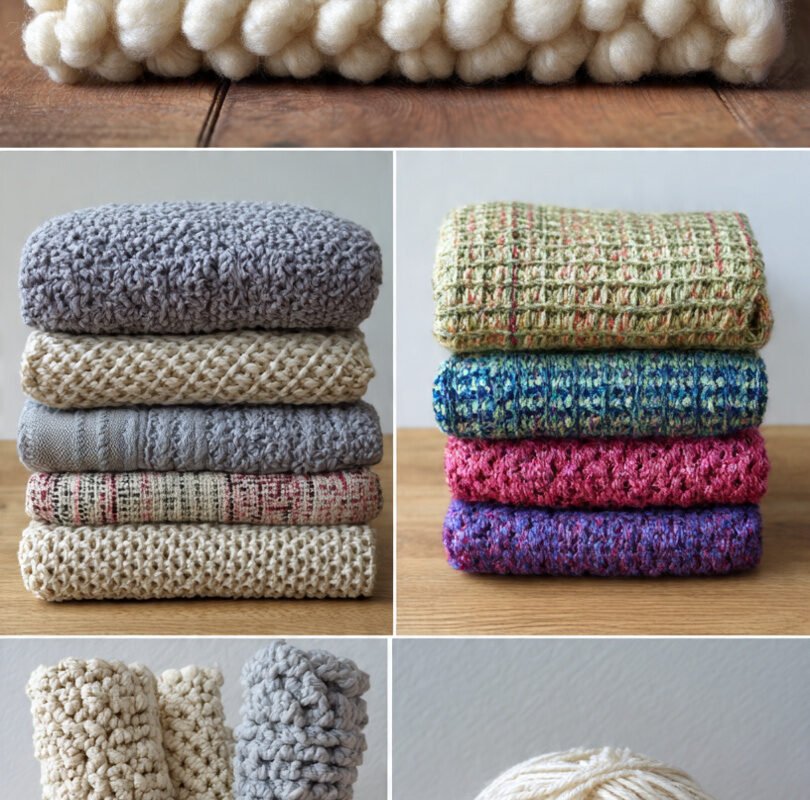
Starting crochet can feel overwhelming at first. New stitches, unfamiliar tools, and written patterns may seem confusing, and many beginners worry about making mistakes. The good news is that confidence in crochet grows quickly when beginners choose the right projects. Simple, achievable projects help build skills, encourage consistency, and make learning enjoyable rather than stressful.
This article explores beginner-friendly crochet projects that are easy to complete and specifically designed to help new crocheters gain confidence while developing essential techniques.
Why Project Choice Matters for Beginners
When learning crochet, the first projects play a crucial role in shaping motivation. Projects that are too complex can cause frustration, while overly basic projects may feel boring. The best beginner projects offer a balance: they introduce new skills while remaining manageable.
Beginner-friendly projects should:
- Use basic stitches
- Have simple shapes
- Require minimal counting
- Offer quick, visible progress
Completing projects successfully builds confidence and encourages continued learning.
The Importance of Repetition in Learning Crochet
Repetition is one of the most effective ways to learn crochet. Projects that repeat the same stitches over multiple rows help beginners develop muscle memory and improve stitch consistency.
Repeating basic stitches such as single crochet and double crochet allows beginners to focus on tension, rhythm, and comfort. Over time, these movements become natural, reducing hesitation and mistakes.
Dishcloths and Washcloths
Dishcloths are one of the most popular beginner crochet projects—and for good reason. They are small, practical, and forgiving.
Dishcloths typically use simple stitches and rectangular shapes. Cotton yarn is commonly used, making the project affordable and easy to care for.
Benefits of dishcloth projects include:
- Short completion time
- No sizing concerns
- Excellent stitch practice
- Useful finished item
These projects allow beginners to focus on technique rather than perfection.
Scarves with Simple Stitches
Scarves are excellent projects for beginners who want something wearable without complicated shaping. A basic scarf usually consists of a long rectangle worked in rows.
Beginner scarves often use:
- Single crochet
- Half double crochet
- Double crochet
- Simple stitch patterns
Scarves provide extended practice while allowing beginners to experiment with yarn colors and textures.
Granny Squares
Granny squares are classic crochet motifs that remain popular across generations. They are ideal for beginners because they introduce working in the round without overwhelming complexity.
Each square is small and manageable, making it easy to practice new techniques. Mistakes in one square do not affect the entire project, which reduces pressure.
Once comfortable, beginners can join multiple granny squares to create:
- Blankets
- Pillow covers
- Tote bags
Granny squares offer creative freedom and visible progress.
Coasters and Small Home Accessories
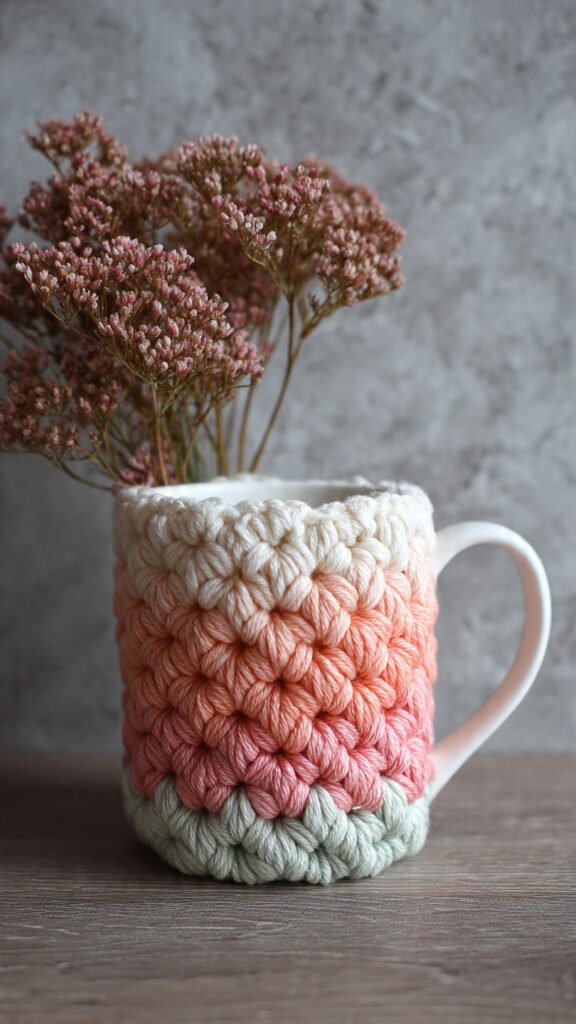
Coasters are quick projects that teach important skills such as maintaining consistent tension and working in rounds. They require minimal yarn and can often be completed in one sitting.
Other small home accessories suitable for beginners include:
- Mug rugs
- Trivets
- Simple placemats
These projects build confidence while reinforcing foundational techniques.
Headbands and Ear Warmers
Headbands and ear warmers are beginner-friendly wearable items that work up quickly. They usually require simple stitches and minimal shaping.
These projects help beginners learn:
- Measuring gauge
- Working flat or in the round
- Basic seaming
Because they are small, mistakes are easier to fix and less discouraging.
Baby Blankets with Simple Patterns
For beginners ready to start larger projects, baby blankets with simple stitch patterns are a great choice. They allow for long periods of repetition without complicated shaping.
Popular beginner blanket stitches include:
- Granny stripe
- Moss stitch
- Double crochet rows
Using soft yarn and neutral colors keeps the project approachable and rewarding.
Simple Tote Bags
Tote bags introduce structure and function while remaining beginner-friendly. Many beginner bag patterns use basic stitches and rectangular panels.
These projects teach:
- Working with sturdy stitches
- Creating handles
- Assembling multiple pieces
Tote bags provide a sense of accomplishment because they result in a functional item.
How These Projects Build Crochet Confidence
Completing beginner-friendly projects helps crocheters see tangible progress. Each finished item reinforces the idea that learning crochet is achievable and enjoyable.
Confidence grows as beginners:
- Understand pattern instructions
- Recognize stitch anatomy
- Improve tension consistency
- Develop problem-solving skills
Small successes encourage experimentation with more advanced techniques over time.
Choosing the Right Yarn for Beginner Projects
Yarn choice can greatly affect the learning experience. Beginners benefit from yarns that are easy to see and work with.
Ideal beginner yarn characteristics include:
- Medium weight
- Smooth texture
- Light or solid colors
Avoid fuzzy or dark yarns, as they make it harder to identify stitches.
Tools That Support Beginner Success
In addition to yarn, the right tools make beginner projects more enjoyable.
Helpful tools include:
- Ergonomic crochet hooks
- Stitch markers
- Yarn needles
- Measuring tape
Comfortable tools reduce strain and improve focus.
Learning Through Mistakes
Mistakes are a natural part of learning crochet. Beginner projects should encourage experimentation without fear of failure.
Frogging and reworking stitches teach patience and resilience. Each correction builds understanding and confidence.
Setting Realistic Expectations
Beginners often compare their work to experienced crocheters. It is important to set realistic expectations and focus on personal progress.
Each project represents improvement, regardless of imperfections. Confidence grows when beginners allow themselves to learn at their own pace.
Moving Beyond Beginner Projects
Once confidence is established, beginners naturally feel ready to explore more complex patterns. Skills developed through simple projects form a strong foundation for advanced techniques.
Transitioning gradually ensures continued enjoyment and growth.